
Bipolar Disorder FAQs: Answering Your Most Pressing Questions
Receiving a new diagnosis or trying to understand a loved one’s mental health can feel incredibly overwhelming. At the Dakota Bipolar Awareness Foundation, we know that finding trusted, accurate information is the first and most vital step toward healing. That is why we have compiled these bipolar disorder FAQs to help clear up the confusion and empower you with knowledge.
Bipolar disorder is a manageable, bio-chemical condition characterized by severe shifts in mood, energy, and activity levels. These intense mood swings—ranging from manic highs to depressive lows, can last for days, weeks, or even months. Because 1 in 50 people may experience bipolar disorder in their lifetime, understanding the facts is crucial for our entire Okanagan community. Let’s explore the most common questions families ask.
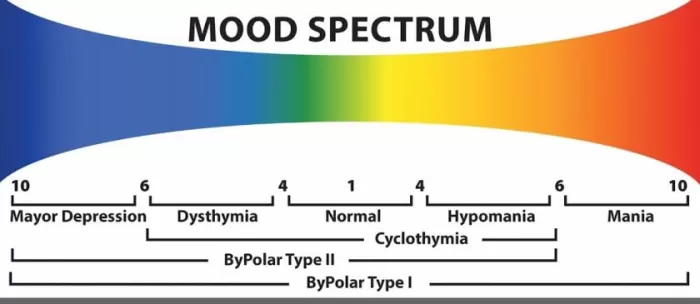
What Are the Different Types of Bipolar Disorder?
There is no single “one-size-fits-all” diagnosis. Medical professionals categorize the condition into different types based on the pattern and severity of the mood episodes. Here is a quick reference chart to help you understand the distinctions:
| Bipolar Type | Primary Characteristics | What You Should Know |
|---|---|---|
| Bipolar I Disorder | Features at least one full manic episode that can severely impact daily functioning. | Often includes episodes of major depression, though it is not strictly required for a diagnosis. HTML |
| Bipolar II Disorder | Involves recurring episodes of major depression alongside hypomania (a milder form of mania). HTML | The depressive episodes are often the most prominent and disruptive feature. |
| Cyclothymia | Consists of cyclical mood swings between mild depression and hypomania lasting at least two years. HTML | While less extreme than Bipolar I or II, it still requires monitoring to prevent progression. HTML |
Frequently Asked Questions (Q&A)
There are currently no laboratory blood tests or brain scans that can diagnose bipolar disorder on their own. Instead, doctors rely on a comprehensive mental health assessment. A professional will evaluate your symptoms, family history, and the duration of your mood swings. They may also run blood or urine tests, such as a thyroid check or toxicology screen, simply to rule out other physical conditions causing the symptoms.
No, but it is frequently misdiagnosed as depression because people usually seek help when they are in their lowest, depressive state. This misdiagnosis is dangerous because treating bipolar depression with standard antidepressants (without a mood stabilizer) can trigger a severe manic episode. Always consult a mood disorder specialist for an accurate diagnosis.
Effective treatment for bipolar disorder involves a multi-layered approach. Medication, specifically mood stabilizers, forms the cornerstone of treatment by minimizing extreme highs and lows. Alongside medication, psychotherapy helps individuals build coping skills and repair relationships. Education, a strong support system, and lifestyle management, such as maintaining a regular sleep schedule and avoiding drugs or alcohol, are equally essential.
Research shows there is an average 10-year delay between symptom onset and an accurate diagnosis. Without proper treatment, up to 60% of individuals develop substance abuse problems to self-medicate, and 10% to 15% may die from suicide. Early detection dramatically reduces these risks and improves the individual’s long-term quality of life.
Yes, bipolar mood disorder is very much a family concern, as the symptoms and challenges impact the entire household. Because a collective approach is crucial for lifelong recovery, it is highly recommended that the whole family stays informed and participates in counseling.
Absolutely. While untreated bipolar disorder can be severely disruptive, proper medical treatment and a strong support system enable more than 75% of people with the condition to work and be highly successful.
No, alcohol and drug abuse do not cause the disorder. However, up to 60% of people with bipolar disorder develop substance abuse problems. This often happens because individuals attempt to self-medicate or escape the excruciatingly painful symptoms of their untreated mood episodes.
Yes, there are many. Individuals living with bipolar disorder often possess profound neurodivergent gifts, including deep empathy, high levels of creativity, divergent thinking (the ability to easily generate out-of-the-box solutions), and incredible entrepreneurial drive.
You should not stop taking your medication just because your mood stabilizes. Bipolar disorder most often requires long-term medication management. Staying on your medication acts as a preventative measure to help you avoid future relapses and keep your symptoms under control.
It is far more prevalent than society often acknowledges. Approximately 1 in 50 people may experience bipolar disorder in their lifetime, and over 2.4 million Canadians are currently living with the condition.
The bipolar brain exhibits a profound, biological sensitivity to circadian rhythm (internal clock) disruptions. Even minor shifts in your sleep schedule or daily habits can trigger severe chemical changes in the brain, potentially accelerating a manic or depressive episode. Anchoring your day with consistent routines protects your brain chemistry.

Finding Support in the Okanagan
You do not have to navigate the journey to stability on your own. Recovery takes time, but with the right team and a supportive environment, you can regain control and live a highly productive life.
If you are looking for local guidance, we encourage you to visit the Dakota Foundation Resources page to connect with specialized professionals and community groups across Kelowna and the Okanagan Valley.
If you value the education and awareness we provide, please consider making a donation to the Dakota Foundation. Your contribution directly funds early detection programs, local therapy services, and critical family resources. Together, we can break the stigma and turn pain into purpose.
Disclaimer: We provide this article for educational purposes only; it does not substitute for professional medical advice, diagnosis, or treatment. If you or someone you know faces an immediate crisis, please call 9-1-1 or reach out to the Canadian Suicide Crisis Helpline by calling or texting 9-8-8.